Staying active after 60 protects your spine, balance, and independence. An evidence based guide to safe movement, managing aches, and when to see a doctor.
One of the most rewarding parts of my work at DT Chiropractic, in our Canton, Cartersville, and Rome offices, is caring for active adults in their sixties, seventies, and beyond. These are patients who want to keep gardening, walking the dog at the Etowah River trails, golfing, traveling, and picking up grandkids without bracing for the ache that follows. I want you to know something up front, plainly and honestly: aging is not a problem we cure, and I'm not going to pretend chiropractic care reverses the clock. But staying active after 60 is absolutely within your reach, and the right movement, supported by conservative, hands-on care when you need it, is one of the most powerful tools you have.
This guide is written for active adults over 60 and the family members who worry about them. I'll explain why movement matters more, not less, as we age; how chiropractic and soft-tissue care can support your mobility and help you manage pain without surgery or a pile of medications; how to keep walking, building strength, and staying flexible safely; and, just as importantly, the warning signs that mean you should stop and see a doctor right away. None of this replaces a conversation with your own physician, who knows your full medical history; think of it as a starting framework you can bring to that conversation. No sales here, only the same honest advice I'd give a member of my own family.
It matters because the things that make daily life feel effortless, rising from a chair, climbing stairs, carrying groceries, catching your balance when you trip, all depend on muscle strength, joint mobility, and coordination that naturally decline with age unless we actively maintain them. After about 60, we lose muscle mass and power faster than we did in midlife. The good news, and I see this in my offices constantly, is that the decline is far from inevitable. Muscles and joints respond to demand at every age. Ask more of your body, safely and consistently, and it answers.
There's also a powerful protective effect. Regular physical activity is associated with better balance, stronger bones, healthier blood pressure and blood sugar, improved mood and sleep, and, crucially, a lower risk of the falls that send so many older adults to the emergency room. According to the CDC, falls are the leading cause of injury among older adults, and many of those falls trace back to weakened legs, poor balance, and reduced confidence in moving. Staying active is one of the most direct ways to push back against all three.
There's a quieter benefit I see in my offices too: confidence. When patients stop moving, often because one bad episode of back or knee pain scared them, they tend to shrink their world. They skip the stairs, decline the trip, stop offering to hold the grandbaby. That self-imposed rest feels protective, but it usually accelerates the very weakness and stiffness they're afraid of, and the loss of confidence makes a stumble more likely, not less. Gentle, consistent activity reverses that spiral. It rebuilds not just muscle but the trust that your body will hold up when you ask it to.
I'll be candid about what activity does not do. It won't undo years of wear on a knee or hip, and it won't make osteoarthritis disappear. But the Mayo Clinic's guidance on osteoarthritis is clear that appropriate exercise is a cornerstone of managing the condition, strengthening the muscles around an arthritic joint and keeping it moving often reduces pain and stiffness more than rest does. Motion really is lotion for stiff joints, within sensible limits.

Yes, for the right problems, conservative chiropractic and soft-tissue care can meaningfully improve how you move and how you feel, and it does so without surgery or the risks that come with long-term pain medication. Let me be precise about what I mean, because honesty matters here more than marketing.
What I'm treating in an active older adult is usually mechanical: a stiff, restricted joint in the spine or a limb; tight or guarded muscles; a movement pattern that's throwing extra load onto a sore knee or shoulder. Gentle chiropractic adjustments, mobilization, and soft-tissue work can ease that stiffness, calm irritated tissue, and restore a smoother range of motion, which often translates into walking farther, sleeping better, and getting through the day with less ache. For low back pain in particular, major clinical guidelines support trying these kinds of hands-on, non-drug approaches first. The American College of Physicians' clinical practice guideline for low back pain recommends non-invasive, non-pharmacologic treatments, including spinal manipulation, exercise, and other conservative options, as first-line care before reaching for medication.
What chiropractic care is not: it is not a cure for arthritis, osteoporosis, or aging, and no honest clinician will promise that an adjustment prevents falls or rebuilds cartilage. The NIH's National Center for Complementary and Integrative Health notes that spinal manipulation can help with conditions like low back pain and neck pain, while being realistic about its scope. I think of my role as helping you move better and hurt less so you can do the strengthening and walking that actually changes your trajectory. The best results almost always come from pairing hands-on care with the exercise you do on your own, the care opens the door, and the movement walks you through it.
Care after 60 is not the same as care at 30, and it shouldn't feel the same. As we age, bone density can decrease and tissues become less forgiving, so I take a more careful, individualized approach: a thorough history, screening for things like osteoporosis or vascular concerns, and choosing gentler, lower-force techniques where appropriate. If a forceful adjustment isn't right for you, there are many other tools, instrument-assisted methods, mobilization, soft-tissue therapy, and targeted exercise. A good chiropractor adapts to your body, and works alongside your primary care doctor and any specialists rather than around them. If something doesn't feel right, you should always speak up, and a trustworthy clinician will welcome that.
The simplest answer I give patients is this: aim to combine three ingredients, aerobic movement, strength, and flexibility plus balance, and build them up gradually. You don't need a gym membership or fancy equipment, and you don't need to do everything at once. Let me walk through each one the way I'd coach you in the office.
Walking is the single most accessible, joint-friendly aerobic activity for most older adults, and North Georgia gives us beautiful places to do it, the trails around Canton, the parks in Cartersville, the Rome river walk. Start with a distance and pace that feel comfortable, even if that's ten or fifteen minutes, and add a little each week. Supportive shoes, a stable surface, and a walking pole or two if your balance is uncertain make a real difference. If knee or hip pain flares with walking, that's worth addressing rather than ignoring; conservative care for shoulder and knee pain often makes walking comfortable again, and I'd rather keep you on the trail than have you stop moving.
If I could convince every patient over 60 to do one new thing, it would be strength training. Holding on to muscle is what keeps you rising from a chair, steady on the stairs, and resilient if you stumble. Two non-consecutive days a week is plenty to start. Think sit-to-stands from a sturdy chair, gentle squats holding a counter, heel raises, step-ups, and light resistance for the upper body. The goal is muscles that feel worked, not wrecked, you should be able to hold a conversation and finish without sharp pain. Progress by adding a repetition or a little resistance over time, not by jumping ahead too fast. If you're brand new to resistance work, it's worth having someone watch your form for the first few sessions; clean form on a chair squat protects your knees and back far more than any single exercise choice.
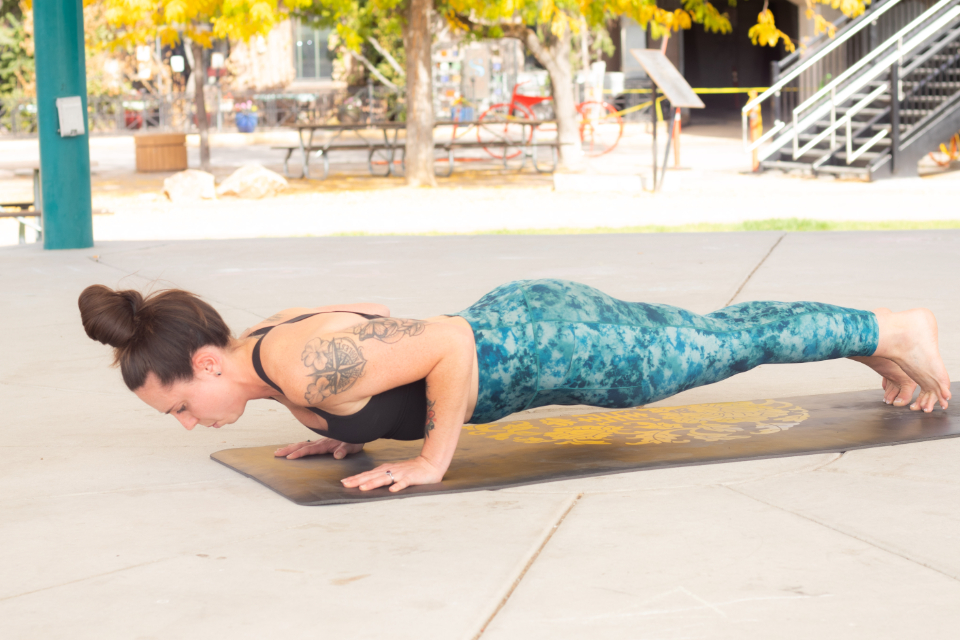
Gentle flexibility and balance work ties everything together and is one of your best defenses against falls. Slow, daily mobility for the hips, ankles, shoulders, and spine keeps you moving freely. For balance, simple practice counts: standing on one foot near a counter, heel-to-toe walking, slow weight shifts. Always keep a sturdy surface within arm's reach when you practice balance, so a wobble is a learning moment and not a fall. Many of my older patients enjoy tai chi or gentle yoga, both of which combine balance, flexibility, and a calm, controlled pace that's kind to aging joints. A few focused minutes most days beats a once-a-week marathon.
The most common mistake I see is enthusiasm outrunning preparation. Here's how to begin safely. Start below what you think you can handle. Increase one thing at a time, distance, weight, or reps, by a small amount each week. Warm up with easy movement, cool down, and stay hydrated. Expect some mild muscle soreness for a day or two after a new activity; that's normal and fades. What is not normal is sharp, radiating, or worsening pain, pain that lingers for days, or pain accompanied by swelling, numbness, or weakness, those are signals to back off and get evaluated. If you have heart disease, uncontrolled blood pressure, osteoporosis, recent surgery, or a complex medical history, check with your physician before starting a new program. And if an old injury is the thing holding you back, addressing it directly, whether it's lower back pain or a nagging joint, is often what unlocks the rest of your routine.
The most effective thing you can do is combine stronger legs and better balance with a few practical safeguards at home and in your medicine cabinet because much of fall risk is genuinely modifiable, even though no approach removes it entirely. I want to be straight with you: nothing prevents every fall, and any guide that promises otherwise isn't being honest. But you can meaningfully tilt the odds in your favor. The CDC's STEADI program for older-adult fall prevention is built around a few practical pillars, and I echo them with my patients.
First, build the strength and balance we just discussed, strong legs and good balance are your first line of defense. Second, review your medications with your doctor or pharmacist; some, especially in combination, can cause dizziness or drowsiness that raises fall risk, and only your prescriber can safely adjust them. Third, get your vision and hearing checked regularly. Fourth, make your home safer: remove loose rugs and clutter, add grab bars in the bathroom, improve lighting, and use handrails on stairs. Small changes here prevent a lot of trips to the ER.
Where conservative care fits in is by helping you move confidently. When your hips, back, and knees move well and hurt less, you walk with a more natural, stable gait, and confidence in movement is itself protective. Improving mobility is a supporting player in fall prevention, not a guarantee against falls, but a real and worthwhile contributor that works best alongside the home and medication steps above.
You should stop and seek prompt medical care, and in urgent situations call 911 or go to the emergency room, any time your symptoms point beyond an ordinary ache, because for older adults the stakes are higher and a quick check is always worth it. Here is what I mean specifically.
Go to the ER after a fall that involves a head injury, loss of consciousness, or confusion, especially if you take a blood thinner. Seek urgent care for any fall where you suspect a fracture: severe pain, an inability to bear weight, or a limb that looks misshapen or swells rapidly. Get evaluated right away for sudden, severe, or unexplained pain; new numbness, tingling, or weakness in an arm or leg; loss of bowel or bladder control; or new trouble with balance, speech, vision, or sudden dizziness, these can signal something that needs immediate attention. Don't ignore unexplained weight loss, fever with back pain, or pain that's worse at night and not relieved by rest.
I tell my patients: when in doubt, get it checked. A good chiropractor is also a careful screener, part of my job at the first visit is recognizing when your symptoms belong in a different setting and making sure you get there. Conservative care is wonderful for mechanical aches and stiffness; it is not the right answer for a possible fracture, stroke, or other emergency, and any honest clinician will tell you so and help you to the right care.
Here's the practical arc I'd suggest. Begin with what you can do today: a short daily walk and a couple of gentle strength sessions a week, plus a few minutes of balance and flexibility work. Build slowly and consistently, consistency beats intensity every time at this stage of life. Make your home safer and review your medications with your prescriber. And if pain, stiffness, or an old injury is standing between you and the activity you want, get it addressed rather than working around it for years.
That's where my team and I come in. We use conservative, evidence-based, non-surgical care, gentle adjustments, mobilization, and soft-tissue work, paired with the exercises and movement coaching that actually build durable mobility. As a clinician I've invested in understanding human movement in depth; I'm TPI Certified at the Medical Level 3 and Golf Level 2, and certified in SFMA Level 2 (Selective Functional Movement Assessment), which means I assess how you move and find the restriction or weakness driving your symptoms, not just where it hurts. For active adults who've picked up an injury staying fit, the same principles in our work with sports injuries apply at any age: restore the movement, manage the pain, and get you back to doing what you love.
If you're 60 or older, here in Canton, Cartersville, or Rome, and you want to stay active for the long haul, I'd be glad to help you build a plan that fits your body and your goals, and to coordinate with your physician so your whole care team is rowing in the same direction. You can learn what to expect on our new patients page. There's no sales pitch waiting for you, only an honest conversation and exceptional care. Keep moving, stay curious, and give your body the credit it deserves. It's more capable than you think, at every age.
No. Muscles and joints respond to activity at every age, and many of my patients begin a real strength and walking routine in their seventies and eighties with meaningful gains in strength, balance, and confidence. The key is to start below what you think you can handle, progress slowly, and check with your physician first if you have heart disease, uncontrolled blood pressure, osteoporosis, recent surgery, or a complex medical history.
No, and I won't pretend otherwise. Chiropractic and soft-tissue care can help manage pain and improve how a stiff, arthritic joint moves, which often reduces discomfort and helps you stay active, but it does not cure arthritis, rebuild cartilage, or reverse aging. The Mayo Clinic notes that appropriate exercise and conservative management are cornerstones of living well with osteoarthritis, and that's exactly the lane where this care helps.
Care after 60 should be gentler and more individualized than care for a younger patient. Because bone density can decrease with age, I take a thorough history, screen for concerns like osteoporosis, and choose lower-force techniques, mobilization, or soft-tissue work when a forceful adjustment isn't appropriate. A trustworthy chiropractor adapts to your body, coordinates with your physician, and welcomes your feedback, if something doesn't feel right, always speak up.
A good target blends three ingredients: regular aerobic activity like walking most days, strength training on two non-consecutive days a week, and a few minutes of flexibility and balance work daily. You don't need to do it all at once or use special equipment. Build up gradually, expect mild soreness after new activity, and stop if you feel sharp, radiating, or worsening pain.
It helps, though nothing prevents every fall. Strong legs, good balance, and confident movement are protective, and the CDC's STEADI program also emphasizes reviewing your medications with your prescriber, checking vision and hearing, and making your home safer. Conservative care contributes by helping your hips, back, and knees move comfortably so you walk with a steadier gait, a supporting player in fall prevention, not a guarantee.
Seek prompt or emergency care after a fall with a head injury or confusion, for any suspected fracture, or for sudden severe pain, new numbness or weakness, loss of bowel or bladder control, or new dizziness or balance problems. Conservative chiropractic care is excellent for mechanical aches and stiffness, but it's not the answer for an emergency. When in doubt, get it checked, part of my job is recognizing when you need a different setting and helping you get there.
This article is for general education and is not a substitute for an individual evaluation. External links are provided for reference and do not imply endorsement.