Youth soccer injuries follow predictable patterns. The most common ones, the neuromuscular warm ups proven to prevent them, when to see a doctor, and safe conservative care.
Soccer is one of the best things your child can do, it builds endurance, coordination, teamwork, and a love of being outside. Here in Cherokee, Bartow, and Floyd counties, I see kids playing rec ball, travel club, and middle and high school soccer nearly year-round. With all that running, cutting, and competing comes a predictable set of bumps, sprains, and aches. Most are minor and heal well. A few are not, and knowing the difference is what this guide is about. As a parent myself, I know how hard it is to watch your child limp off the field and wonder whether it's nothing or something serious, so my aim here is to give you a calm, practical framework you can actually use on the sideline.
My goal as a chiropractor is simple: no sales, only honest, conservative care. That means I'll be just as quick to tell you when your young soccer player needs to see their pediatrician, a sports medicine physician, or the emergency room as I am to help with the everyday soft-tissue and overuse complaints that respond well to drug-free, hands-on care. I don't believe in scaring parents into a long treatment plan, and I don't believe in waving away a problem that needs a doctor. Let's walk through what's common, what prevents it, and exactly when to get a doctor involved, so you can make confident decisions for your child.
The most common soccer injuries in young athletes are ankle sprains, knee injuries, and overuse problems, with head injuries from collisions and heading being the most serious category. Soccer is a cutting-and-pivoting sport played on uneven fields, so the lower body takes the brunt of it. Understanding each helps you respond calmly when something happens, instead of guessing in the moment. Below I'll walk through the everyday injuries I see most, what they tend to feel like, which ones generally settle with sensible care, and which ones are flags to get checked by a physician.

The classic soccer injury is the rolled ankle, usually from planting, landing awkwardly, or getting stepped on in a crowd of players. Most are lateral ankle sprains, where the ligaments on the outside of the ankle get overstretched. Mild sprains are sore and a little swollen, but the child can still bear weight and walk, even if gingerly. Those tend to recover well with relative rest, gradual return to activity, and rehab to rebuild balance and strength so it doesn't keep happening. The piece parents often miss is that rehab matters: an ankle that sprained once is more likely to sprain again if the balance and strength around it never get rebuilt.
A sprain that involves obvious deformity, inability to put weight on the foot, or pain right over the bone needs medical evaluation to rule out a fracture, which is more common in growing bodies than many parents realize. Children's bones include growth plates that are weaker than the nearby ligaments, so what looks like a simple "twist" can sometimes be a bone injury instead. When in doubt with a young athlete, get it imaged, it's a quick way to make sure you're treating the right thing.
Knees are where soccer gets serious. The cutting, decelerating, and pivoting that defines the sport puts real demand on the knee, and the anterior cruciate ligament (ACL) in particular. A torn ACL often announces itself with a "pop," rapid swelling, and a knee that feels unstable or like it's giving way. That combination needs prompt evaluation by a sports medicine physician or orthopedist. This is not something to manage with hands-on care alone, and I'll always refer it out.
I do help kids before and after, with conditioning and movement work that supports knee health, and with the surrounding soft tissue and mechanics under the guidance of their medical team. Patellofemoral pain (aching around the front of the kneecap) and other non-traumatic knee complaints are common in young players too, and those often respond to a thoughtful look at strength, hip and ankle mechanics, and training load. If your child has ongoing knee complaints, my page on shoulder and knee concerns walks through how I approach evaluation. The key distinction is simple: a sudden, traumatic knee injury with a pop and swelling is a doctor-first situation, while a gradual ache that builds over a season is usually something we can assess and manage conservatively.
Not every injury is a dramatic moment on the field. A lot of what I see is the slow burn of overuse, heel pain, knee pain below the kneecap, hip and groin soreness, and low back complaints that build over a hard season. In growing athletes, repetitive stress can irritate the growth plates and the spots where tendons attach to bone, which is why kids' overuse injuries look a little different from adults'. These problems rarely start with a single bad moment; they creep in as a child plays more games, more tournaments, and more back-to-back weekends than their body has had time to adapt to.
The American Academy of Orthopaedic Surgeons notes that overuse injuries in children are common and largely preventable with sensible training loads and rest (AAOS OrthoInfo). When your soccer player's nagging knee, heel, or back pain won't settle, conservative care plus a look at their schedule and mechanics usually points the way forward. Pain that lingers for more than a couple of weeks, that's bad enough to change how your child runs or kicks, or that wakes them at night deserves a closer look rather than a "push through it" approach. For persistent low back complaints specifically, see my guide to lower back pain.
Pulled hamstrings and quads, groin strains, and the deep bruises ("charley horses") from getting kicked round out the everyday list. These soft-tissue injuries are exactly the kind of thing conservative care handles well, provided there are no red flags and your child can move and bear weight normally. Most mild strains calm down over one to three weeks with relative rest, gentle movement, and a gradual return that rebuilds strength before full sprinting and kicking. The mistake I see most often is rushing back: a hamstring that's only half-healed is a hamstring that re-tears in the next sprint, so the boring, patient approach is usually the fast one in the long run.
Yes, head injuries from collisions, falls, and heading the ball are the most serious risk in youth soccer, and a concussion must be treated as a medical matter, not something to push through. I want to be completely clear here because the stakes are high: if you suspect your child has a concussion, remove them from play immediately and have them evaluated by a physician. When in doubt, sit them out. No game, no tournament, and no playoff is worth risking a child's brain.
A concussion is a brain injury. It does not require getting knocked out, and symptoms can be subtle or show up hours later, headache, dizziness, confusion, sensitivity to light or noise, nausea, balance trouble, feeling "foggy," trouble concentrating, irritability, or just not seeming right. Because young athletes often want to keep playing and may downplay how they feel, the responsibility falls on the adults around them to notice and act. The CDC's HEADS UP program is the standard parents and coaches should follow for recognizing concussion and for medically supervised return-to-play and return-to-learn steps (CDC HEADS UP). Returning to soccer should be gradual and cleared by the child's physician, never rushed because of a game or tournament.
I'll say plainly what chiropractic is and isn't here: chiropractic care does not treat or cure concussion. Concussion management belongs to your child's medical doctor. If your young athlete has a head injury, the right call is the physician's office or, for any worrisome signs, repeated vomiting, worsening or severe headache, increasing confusion or drowsiness, seizures, weakness, or loss of consciousness, the emergency room, not my office first. I include this not to talk you out of chiropractic, but because being honest about the limits of what I do is part of keeping your child safe.
The single most effective thing you can do is have your child do a structured neuromuscular warm-up before practices and games. These short routines, balance work, controlled hopping and landing, strengthening, and agility drills, train the muscles and reflexes that protect the knees and ankles. They take only a handful of minutes and have become a standard part of injury-prevention programs in youth soccer. The beauty of them is that they cost nothing, need no equipment, and fold right into the warm-up the team is already doing.
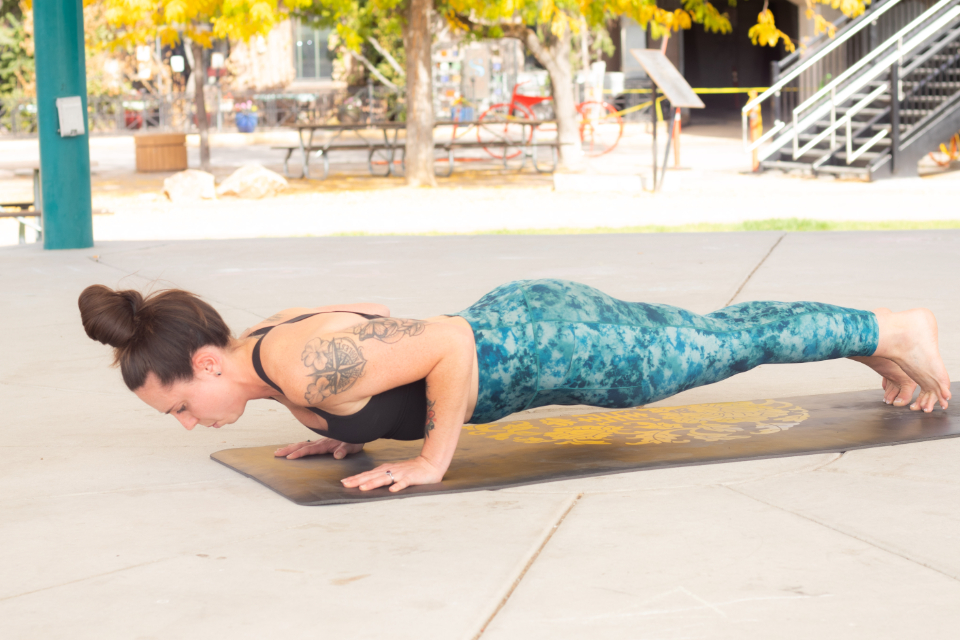
Beyond the warm-up, a few habits go a long way:
It's also worth remembering that prevention is a season-long project, not a one-time fix. Bodies change fast during growth spurts, and a child who was well-conditioned in the spring may need to rebuild strength and coordination after a summer off. Checking in periodically, and adjusting the load when a child is sore, tired, or growing quickly, keeps small imbalances from turning into the overuse complaints I described above. If you'd like, I'm glad to assess your young athlete's movement and balance and build a simple warm-up they'll actually do. You can see more about how I approach athletes on my sports injuries page.
See a doctor right away, or go to the emergency room, any time there's a red flag, because some injuries need medical evaluation that hands-on care cannot replace. I'd rather you over-check than miss something in a growing child, and no good physician will think less of you for bringing your child in to be safe.
Head to urgent medical care or the ER for:
These point toward fractures, ligament tears, stress injuries, or neurological problems that need a physician's evaluation and imaging. When your child has been cleared of the serious stuff, that's often where conservative rehab and care fit in. And for anything in between, a sprain that isn't settling, a nagging overuse complaint, a strain, it's reasonable to start with an evaluation so you know what you're dealing with. The point of this list isn't to make you anxious; it's to give you a few clear lines that turn "I'm not sure" into "I know what to do next."
For the soft-tissue and overuse injuries that make up most of what young soccer players experience, conservative care focuses on reducing pain, restoring normal movement, and getting your child back to play safely, without drugs or shortcuts. After ruling out red flags, I assess how your child moves: their balance, joint mechanics, muscle flexibility, and the load their schedule is putting on them. That assessment matters as much as any treatment, because it tells us whether we're dealing with something I can help with or something that belongs with a physician first.
Care is individualized, but it commonly includes hands-on soft-tissue work, gentle mobility and joint work where appropriate, and a rehab plan with the strengthening and balance drills that build resilience. For the muscle and tendon strains that come with sprinting and kicking, soft-tissue techniques like Active Release Technique can help restore movement and comfort. Spinal manipulation is one tool among many for certain musculoskeletal complaints; the NIH's resource on it is a balanced, evidence-based overview if you want to read more (NCCIH). I tailor any approach to a child's age and stage of growth, and I keep it gentle. With kids, less is usually more, the aim is to calm the irritated tissue, restore normal movement, and let a growing body do what it does best.
Just as important as what I do in the office is the plan we build together: smart return-to-play progression, load management so the same overuse problem doesn't come back, and clear communication with your pediatrician or team physician. I see myself as one member of your child's care team, not a replacement for medical evaluation. There are no guarantees and no cures here, just consistent, conservative care aimed at helping your young athlete feel good and play the game they love. If something isn't responding the way it should, I'll say so and help you get the right referral rather than keep going in circles.
If your soccer player has a nagging injury or you simply want a movement screen before the season ramps up, I'd be glad to help. You can learn what to expect on my new patients page.
No. A concussion is a brain injury and a medical matter. If you suspect one, remove your child from play immediately and have them evaluated by a physician, following CDC HEADS UP guidance for medically supervised return-to-play. Chiropractic care does not treat or cure concussion. I'm glad to support an athlete's overall musculoskeletal health, but concussion management belongs to your child's medical doctor.
If your child can bear weight, has only mild swelling, and the pain is easing, a mild sprain often recovers with relative rest and rehab. See a doctor right away if there's obvious deformity, inability to walk or put weight on the foot, or sharp pain directly over a bone, those can signal a fracture, which is more common in growing kids and needs medical evaluation and possibly imaging.
It's a short, structured routine, balance work, controlled hopping and landing, strengthening, and agility drills, done before practices and games. These programs train the muscles and reflexes that protect the knees and ankles and have become a standard part of youth soccer injury prevention. They take only a few minutes, and I'm happy to build a simple version your child will actually stick with.
A suspected ACL injury, often marked by a 'pop,' rapid swelling, and a knee that feels unstable, needs prompt evaluation by a sports medicine physician or orthopedist. This isn't something to manage with hands-on care alone. Once your child's medical team has guided treatment, conservative rehab and movement work can support recovery as part of the overall plan.
Year-round single-sport play raises the risk of overuse injuries because growing bodies don't get time to recover. The AAOS recommends rest days, an off-season, and gradual increases in training. Varying activities and building in genuine downtime helps protect your child's joints and growth plates while keeping them enthusiastic about the sport.
It depends on the injury. For concussions, return must be gradual and cleared by a physician following CDC HEADS UP steps. For sprains, strains, and overuse, return-to-play should be progressive, restoring full, pain-free movement and strength before full competition. I build that progression with families and coordinate with your pediatrician or team physician so your child returns safely, not just quickly.
This article is for general education and is not a substitute for an individual evaluation. External links are provided for reference and do not imply endorsement.