Why pairing chiropractic adjustments with massage speeds recovery, what the evidence shows, the types of massage offered, and how to find both in North
If you have searched "chiropractor and massage near me," I think you are onto something smart. I have spent years adjusting spines across our Canton, Cartersville, and Rome offices, and the patients who get better the fastest are very often the ones receiving both joint care and soft-tissue work. That is not a coincidence. Chiropractic care and massage therapy attack the same problem from two different directions, the joints, and the muscles wrapped around them, and when you use them together, each one quietly makes the other work better.
This guide explains why the pairing is so effective, what the research actually shows (and what it does not), the types of massage you will find at a chiropractic office, the conditions the combination helps most, what a combined visit really looks like, and how to choose a practice that offers both under one roof here in North Georgia. My brand promise has not changed: no sales, only exceptional care. So I will be honest about where the evidence is strong and where it is simply reasonable.
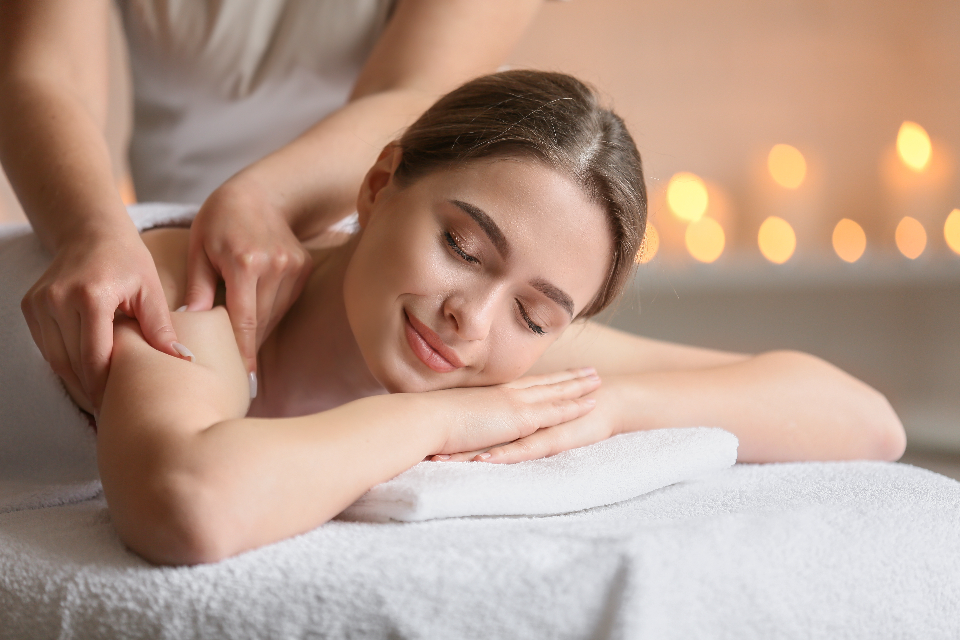
They work better together because most spine and joint pain has two parts, a joint that is not moving the way it should, and the muscles around it that tighten and guard in response, and each therapy addresses one of those parts. A chiropractic adjustment restores motion to a restricted joint. Massage releases the muscle tension and protective spasm that built up around it. Treat only one and the other tends to pull the problem right back.
Picture a stiff segment in your lower back. The joint stops gliding well, so the muscles crossing it clench to splint the area, that is your body protecting itself. If I adjust the joint but leave those muscles in full guard, they can yank the segment back toward its old, restricted position within a day or two. If a therapist relaxes the muscles but no one frees the joint, the muscles often re-tighten because the underlying mechanical problem is still there. Address both and you break the loop from both ends. That is the whole logic of pairing them.
In day-to-day practice, this is why we frequently use the two in the same appointment. Massage before an adjustment warms and relaxes the surrounding muscles, so the adjustment is more comfortable, often easier to deliver, and tends to hold longer. Massage after can ease the mild post-treatment soreness or tension some people notice. For stubborn, movement-related muscle and fascia problems, we also reach for Active Release Technique and cupping therapy, which target soft tissue in ways a standard massage does not. The point is coordination: every technique aimed at the same problem, in the same plan.
The honest answer is that both therapies are individually supported as conservative options, and using two recommended treatments together is a sensible, evidence-aligned approach, even though head-to-head trials of the exact combination are limited. Let me unpack that, because I would rather you understand the evidence than take my word for it.
For low back pain, the American College of Physicians' 2017 clinical practice guideline recommends that people first choose non-drug treatments for acute, subacute, and chronic cases, and it specifically names both massage and spinal manipulation among those options. That is a meaningful endorsement from a mainstream physician body, not a fringe source. The NIH's National Center for Complementary and Integrative Health reaches similar conclusions about complementary approaches for low-back pain.
On massage specifically, NCCIH's overview of massage therapy notes it may help with low-back pain and chronic neck pain and that it carries few risks when performed by a trained practitioner. On the adjustment side, a 2017 systematic review in JAMA found that spinal manipulative therapy was associated with modest improvements in pain and function for acute low back pain, with transient, mostly minor side effects such as temporary soreness. NCCIH's summary of spinal manipulation describes a comparable picture.
So here is my fair reading: each therapy is recommended, each is low-risk in trained hands, and the benefits each tends to produce, better motion, less muscle tension, modest pain and function gains, are complementary rather than redundant. That is a strong rationale for combining them, even where I would not promise a specific number or a cure.
A reasonable question is how soon the combination tends to help, and the honest answer is that it varies by person and by how long the problem has been building. For a recent, mechanical flare-up, many people notice the surrounding muscles let go within the first visit or two, and the guidelines support a conservative, non-drug trial for acute and subacute back pain before escalating. Longer-standing, chronic patterns usually take more time and a steadier rhythm of care, because the muscle-guarding habit and the joint-restriction habit have had longer to reinforce each other.
I will not promise you a number of visits or a fixed timeline at the front desk, because anyone who does is guessing. What I can tell you is that we reassess as we go: if you are responding, we taper; if you are not, we change the plan or refer. That feedback loop matters more than any single technique. The evidence behind both massage and spinal manipulation describes modest, real benefits for pain and function rather than dramatic overnight fixes, and setting that expectation up front is part of honest care. If your pain is worsening despite a fair trial of conservative treatment, that itself is useful information and a reason to broaden the workup rather than simply repeat the same sessions.
You will usually find several distinct styles, because "massage" is really a family of techniques, and a skilled therapist tailors the approach to your body and your diagnosis rather than running the same routine on everyone. Here is how I describe the main ones to patients.
At a chiropractic office, the real advantage is that the therapist and the doctor talk to each other. Your massage therapy targets the same regions your adjustments and home rehab are addressing, instead of operating in isolation from your diagnosis. That coordination is the difference between a nice hour on a table and a treatment that moves your recovery forward.

It helps most with mechanical, soft-tissue-driven problems, the everyday aches caused by how joints move and how muscles respond, rather than with disease that needs medical or surgical management. Within that lane, a few situations come up again and again in our offices.
Lower back pain and neck pain are the bread and butter of this combination, and for good reason. Both regions stack the joint-stiffness-plus-muscle-guarding pattern I described earlier, and both respond well to restoring motion while calming the surrounding muscles. Low back pain in particular is among the most common reasons people seek care at all, so if you are dealing with it, you are in very large company, and conservative care is the recommended starting point.
So many of the necks and upper backs I treat belong to people who spend their days at a keyboard. Hours of forward-head posture load the neck and shoulders, the muscles stay contracted, and tension builds into a dull, persistent ache that can climb into a headache. Massage directly unloads those overworked muscles while the adjustment addresses the joint stiffness that posture creates. Stress compounds all of it, a tense mind tends to ride on tense shoulders, and the calming effect of massage is a genuine part of the benefit, not a luxury.
For athletes and weekend warriors across North Georgia, the combination shines in recovery and return to play. Soft-tissue injuries, strains, overuse knots, fascial restrictions, respond to focused massage and techniques like Active Release, while adjustments keep the joints above and below the injury moving freely so you do not compensate your way into a second problem. I go deeper into this in our piece on sports injuries, but the principle is simple: heal the tissue, keep the joints moving, and rebuild strength.
A good combined visit starts with an evaluation, not a table because the exam is what tells us where the joint problem and the muscle problem actually are. Here is the general flow you can expect with us, recognizing that we adjust it to each person.
Not every visit includes every step, and not everyone needs both therapies every time. As the plan progresses and the muscles stop guarding, many people taper to adjustments alone or to occasional maintenance. The goal is always the least care that keeps you well, not an open-ended schedule.
What you do between visits also shapes how quickly things settle. The relief from a combined session opens a window where the joint is moving more freely and the muscles are calmer, and gentle movement during that window helps the gains stick. We usually send people home with a short, specific routine, a couple of stretches for the tight regions and one or two activation exercises for the muscles that should be doing more of the work, rather than a long, intimidating list nobody follows. Hydration, ordinary walking, and breaking up long stretches of sitting do more than people expect. If your work keeps you at a desk, small changes to monitor height and chair support take pressure off the very muscles the massage just released. None of this replaces the in-office care; it protects the progress between appointments so each visit builds on the last instead of starting over.
Whether massage is covered alongside chiropractic care depends entirely on your specific plan and diagnosis, and the only reliable way to know is to verify with your insurer. As a general pattern, therapeutic massage is sometimes covered when it is part of a documented treatment plan for a diagnosed condition, while relaxation massage usually is not. Please treat this as general information rather than financial or insurance advice; confirm your specific benefits with your insurer before your visit, and our front desk is glad to help you check coverage. We do not use contracts or pressure packages, that is part of the no-sales promise.
You should seek prompt medical care first, not chiropractic or massage, if you have certain warning signs, because some symptoms point to problems that need urgent evaluation. Go to an emergency department or call your physician right away if you experience loss of bladder or bowel control, numbness in the groin or inner-thigh "saddle" area, rapidly progressing or severe leg weakness, severe pain following major trauma such as a serious fall or a high-speed crash, or back pain accompanied by fever, unexplained weight loss, or a history of cancer.
These red flags are uncommon, but they matter, and a responsible practice screens for them. For the far more common mechanical aches, the stiff, achy, tension-driven pain that comes and goes with activity and posture, conservative care like the chiropractic-and-massage combination is exactly the kind of first-line, non-drug approach the guidelines point toward.
Look for a practice that delivers both under one roof, on one coordinated plan, starting with a real exam, that single feature separates genuine integrated care from two disconnected services. A few specifics to weigh as you choose:
That is exactly how we work. We offer chiropractic care and therapeutic massage together at all three North Georgia offices, convenient to the I-575 and I-75 corridors and to the US-27 communities around Rome, with same- or next-day appointments and no contracts. If you would like to start, learn more about our massage therapy and chiropractic adjustments, or reach out to your nearest office in Canton, Cartersville, or Rome. No sales, only exceptional care.
Either works, and many patients do both in one visit. Massage before the adjustment relaxes the muscles so the adjustment is more comfortable and tends to hold longer; massage afterward can ease post-treatment tension. We will recommend the right order for your situation after an exam.
It depends on your specific plan and diagnosis. Therapeutic massage is sometimes covered when it is part of a documented treatment plan; relaxation massage usually is not. This is general information, not insurance advice, confirm your benefits with your insurer, and our front desk can help you check before your visit.
Yes. At all three of our offices we can combine them in a single visit, which is convenient and lets the two therapies reinforce each other, massage to relax the muscles, the adjustment to restore joint motion.
For most people, yes. Both are conservative, non-drug therapies with few risks when performed after a proper exam by trained providers, and NIH reviews note minor, mostly temporary side effects such as short-lived soreness. We screen for red-flag conditions that would change the approach or call for medical care first.
It helps most with mechanical, soft-tissue-driven problems: lower back and neck pain, desk- and stress-related muscle tension, tension that climbs into headaches, and recovery from sports and overuse injuries. It is not a substitute for medical care of disease or injuries that show warning signs.
Yes, we offer both at our Canton, Cartersville, and Rome offices, convenient to the I-575, I-75, and US-27 corridors, with same- or next-day appointments and no contracts.
This article is for general education and is not a substitute for an individual evaluation. External links are provided for reference and do not imply endorsement.